
"Santos Arabica"
600 article(s) found
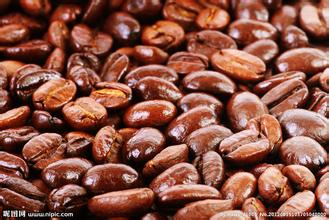
Introduction to flavor description and taste treatment of sun-dried yellow bourbon coffee beans in South Minas, Brazil
Flavor description of tanned Yellow bourbon Coffee beans in South Minas Brazil although coffee is diverse, Brazilian coffee is suitable for the taste of the public. For example, coffee produced in the northern coastal areas has a typical iodine taste, reminiscent of the sea after drinking. This coffee is exported to North America, the Middle East and Eastern Europe. There is also a kind of coffee that is interesting and worth pursuing that has been washed.

A brief introduction to the description of several flavors and tastes of Brazilian red bourbon coffee
Brazilian red bourbon coffee has several flavors and taste description brief introduction coffee fields are endless, most of them are harvested mechanically, in order to meet the economic benefits. When 75% of the coffee fruit in the coffee garden turns red, mechanical harvesting is started, followed by the same pre-washing operation, which is moved into the sink to remove floating beans, sift out the sunken beans, and then use a large pulp screening machine to dig out the pulp and remove the pods covered with pectin.

Introduction to the cultivation Flavor of Coffee beans
Types of coffee beans: blue mountain mocha, Santos, Brazil, Santos, Colombia, Mantlin, Guatemala, Romsda integrated coffee tree is a small shrub growing in the tropical highlands, its fruit is red or yellow, and the internal seeds are what we call coffee beans. At present, coffee beans are grown in about 66 countries in the world, and they can be classified as Arabica, Robusta and Liberica.

Description of Brazilian Coffee Flavor, characteristics of Grinding degree and introduction of Fine Coffee in producing areas
There are many large farms in Brazil, which run endless coffee plantations. They use machines to harvest and dry them. They are so efficient in automation that they regard coffee as a general agricultural material and completely abandon the flavor and flavor. As a result, many select coffee companies simply do not sell Brazilian beans so as not to demean themselves. In the select coffee shop, there is still an occasional Sandoska in Brazil.

Brazilian Coffee Variety Flavor Taste Boutique Coffee Bean Manor Introduction
Brazil, the largest producer of coffee, accounts for one-third of global consumption of all grades and varieties, and has a place in the global coffee market. Although Brazil faces many times more natural disasters than other regions, its arable area is enough to compensate. There are many kinds of coffee here, but its industrial policy is large and cheap, so it is especially superior coffee and

What is the Brazilian Palma Cup? What kind of Brazilian Santos coffee do you have? The characteristics of Santos, Brazil?
Professional coffee knowledge exchange more coffee bean information please follow the coffee workshop (Wechat official account cafe_style) Brazilian coffee is called Brazils to distinguish it from Milds coffee. The vast majority of Brazilian coffee is unwashed and sun-dried and is classified according to the name of the state of origin and the port of transport. Brazil has 21 states and 17 states produce coffee, but four of them produce the most coffee.
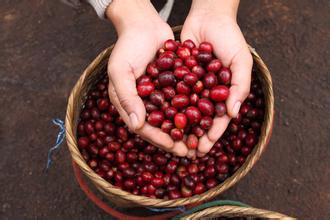
Distinguishing coffee beans and the grading of coffee beans teaches you how to distinguish coffee beans.
● distinguishes the key names and specifications of coffee beans the name of the port of export of ● can tell the shipping route from the name of the port of exit marked. Coffee from the same origin or the same brand has a certain route, so it is also exported from the same port. For example, if it is marked "Brazil." "Santos" means that this is coffee exported from Santos, with the exception of those marked "mocha".

Common sense of graded coffee to distinguish between coffee beans and coffee beans
● distinguishes the key names and specifications of coffee beans the name of the port of export of ● can tell the shipping route from the name of the port of exit marked. Coffee from the same origin or the same brand has a certain route, so it is also exported from the same port. For example, if it is marked as "Brazil. Santos", it means that this is coffee exported from Santos, but the one marked "Mocha" is taken as an example.

Classification of Brazilian coffee beans | Brazilian Santos Stictly Soft extreme temperature and No.2 coffee naming
Professional coffee knowledge exchange more coffee bean information please follow the coffee workshop (Wechat official account cafe_style) Brazilian coffee bean grading | Brazil Santos Stictly Soft extreme temperature and No.2 coffee naming? Brazil is one of the largest coffee producers in the world. It is the largest coffee producer, accounting for 1/3 of the global consumption of all grades and types of coffee.
Fine coffee beans: teach you to distinguish coffee beans and coffee beans graded coffee basics
● Key to distinguish the name and specification of coffee beans ● Export port name From the indicated export port name, you can know the route of transportation. Coffee of the same origin or brand has a certain route, so it is also exported from the same port. For example, if the label is "Brazil." Santos "means it's coffee coming out of Santos, except when it's marked mocha.

The flavor characteristics of Brazilian pectin sun-cured coffee beans with huge production? How to cook Brazil Santos by hand
Professional coffee knowledge exchange more coffee bean information please follow the coffee workshop (Wechat official account cafe_style) the huge output of Brazilian pectin sun-cured coffee beans flavor characteristics? How to brew Brazilian Santos coffee by hand? The largest coffee producer, all grades and types of coffee accounts for 1/3 of the global consumption, and occupies a place in the global coffee market.

Introduction to the products, types and quality of coffee all over the world
⑴ Mogaga actually used to be the place of export of Arabica coffee, not the place of origin. Now the trade export port of Arabica coffee has been transferred to southern Asia.

Brazil (South America) Santos Coffee-which big country is Brazil in South America?
There are many kinds of coffee here, but its industrial policy is large and cheap, so there is not much premium coffee, but it is a good choice for mixing other coffees. One of the most famous is Sandos Coffee, which tastes mellow and neutral. It can be boiled directly or mixed with other kinds of coffee beans to form a comprehensive coffee. It is also a good choice. Other kinds of Brazilian coffee such as

Slightly lemon-scented Brazilian Bourbon Rivida coffee beans flavor characteristics grinding scale taste quality treatment
Brazilian coffee beans introduce Brazil's national treasure coffee beans: Brazil yellow bourbon coffee raw bean source: Brazil yellow bourbon unique yellow cherry fruit product characteristics unique yellow cherry fruit, with fully ripe baking technology, showing a hint of lemon fragrance, soft acidity and bourbon species unique round and thick sweetness, is a cheap and high-quality Brazilian bourbon Santos from bourbon
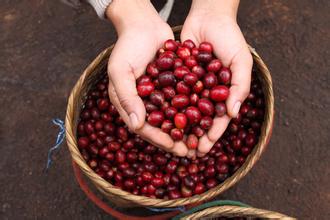
Distinguish coffee beans and the grading of coffee beans how to distinguish the quality of coffee beans coffee knowledge
● distinguishes the key names and specifications of coffee beans the name of the port of export of ● can tell the shipping route from the name of the port of exit marked. Coffee from the same origin or the same brand has a certain route, so it is also exported from the same port. For example, if it is marked "Brazil." "Santos" means that this is coffee exported from Santos, with the exception of those marked "mocha".

Brazilian Coffee harvesting and processing capacity-effect of Brazilian Weather on Coffee
Brazilian Coffee harvesting and processing capacity-effect of Weather on Coffee in Brazil the vigorous production period of a coffee tree usually lasts about 15 years, and of course some trees are still fruitful for 20 or 30 years. As soon as the coffee tree loses its ability to bear fruit, it will be cut down on the spot and uprooted so as not to compete for nutrients with other trees that are still strong and can bear fruit. Coffee yield and the species and growing environment of coffee trees

What is the difference between Brazilian Santo Coffee and Mocha Coffee?
Professional coffee knowledge exchange More coffee bean information Please pay attention to coffee workshop (Weixin Official Accounts cafe_style) Brazil is currently the world's largest coffee producer, coffee seedlings from Ethiopia were planted in Brazil in 1727. Brazil is located in Central and South America, located in a mixed tropical and subtropical climate, unique geographical and climatic conditions are very suitable for coffee cultivation, coffee cultivation industry

Wikipedia Brazil introduces Brazilian Coffee characteristics of Brazilian Coffee
Communication of professional baristas Please follow the coffee workshop (Wechat official account cafe_style) Brazil Coffee mentions the origin of coffee, the first thing that comes to mind is Brazil in South America, because it is the largest coffee producer in the world. There is a wide variety of Brazilian coffee, the vast majority of which are unwashed and sun-dried, classified according to the name of the state of origin and the port of transport. Brazil has 2.

Brief introduction of flavor description and taste quality of Brazilian Minas coffee beans
What are the varieties of Brazilian Minas coffee beans that describe the taste and quality? Brazil has 2 million hectares of land for growing coffee, the largest of which is Arabica. These beans will eventually be sent to large bakers in various countries, that is, the well-known Santos (in the name of the port of export santos, not the producing area). Because of the coffee competition after 2000, the high altitude areas of the south

Brazilian Queen Manor Yellow Bourbon planting Manor Flavor description Taste treatment method Grinding scale
Brazilian Queen Manor Yellow Bourbon planting Manor Flavor description Taste treatment Grinding scale hence the name of Santos Port exit. In the first three or four years before the coffee tree began to bear fruit, the beans were small and curved, with excellent flavor, and became Bourbon Santos. After that, the beans became bigger, flat in shape, no longer bent, and became flat bean Santos, and the flavor was not as good as before. In the Taiwan area